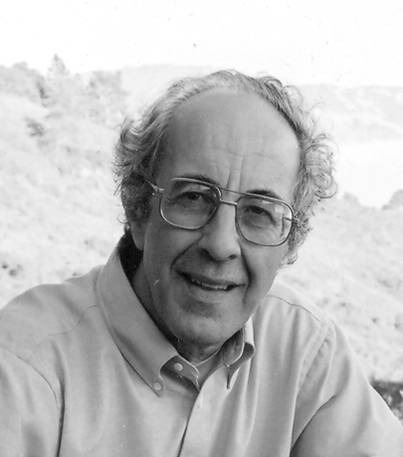
While attending a mission conference at the Evangelical Presbyterian Church in Marshall, TX this past weekend, I heard about one woman’s work with the local ARC (mentally handicapped) chapter. At the end of her presentation she had 4 of her students who had been with her anywhere from 5 to 40 years stand up and share a couple of sentences about their experience with ARC. I was struck by their innocence and inhibition as one young woman moved the podium out of the way (though it was taller than she was) so she could put the microphone right up to her mouth even though it was not needed. As I listened I thought about a book I had read in seminary by the late Henri Nouwen. The book was entitled, In The Name of Jesus and while it was a short book at 80 pages, it was deep in its content. I thought I would give you a taste of what I saw at the mission conference and what Henri Nouwen experienced when he first moved to Toronto to begin working with a mentally handicapped community called L’Arche.
The first thing that struck me when I came to live in a house with mentally handicapped people was that their liking or disliking me had absolutely nothing to do with any of the many useful things I had done until then. Since nobody could read my books, the books could not impress anyone, and since most of them never went to school, my twenty years at Notre Dame, Yale, and Harvard did not provide a significant introduction. My considerable ecumenical experience proved even less valuable. When I offered some meat to one of the assistants during dinner, one of the handicapped men said to me, “Don’t give him meat. He doesn’t eat meat. He’s Presbyterian.”
Not being able to use any of the skills that had proved so practical in the past was a real source of anxiety. I was suddenly faced with my naked, self, open for affirmations and rejections, hugs and punches, smiles and tears, all dependent simply on how I was perceived at the moment. In a way, it seemed as though I was starting my life all over again. Relationships, connections, reputations could no longer be counted on.
This experience was and, in many ways, is still the most important experience of my new life, because it forced me to rediscover my true identity. These broken, wounded, and completely unpretentious people forced me to let go of my relevant self – the self that can do things, show things, prove things, build things – and forced me to reclaim that unadorned self in which I am completely vulnerable, open to receive and give love regardless of any accomplishments.
I am telling you all this because I am deeply convinced that the Christian leader of the future is called to be completely irrelevant and to stand in this world with nothing to offer but his or her own vulnerable self. (pp.29-30)
 brett eubank | unfinished